Cart
0
You may also like
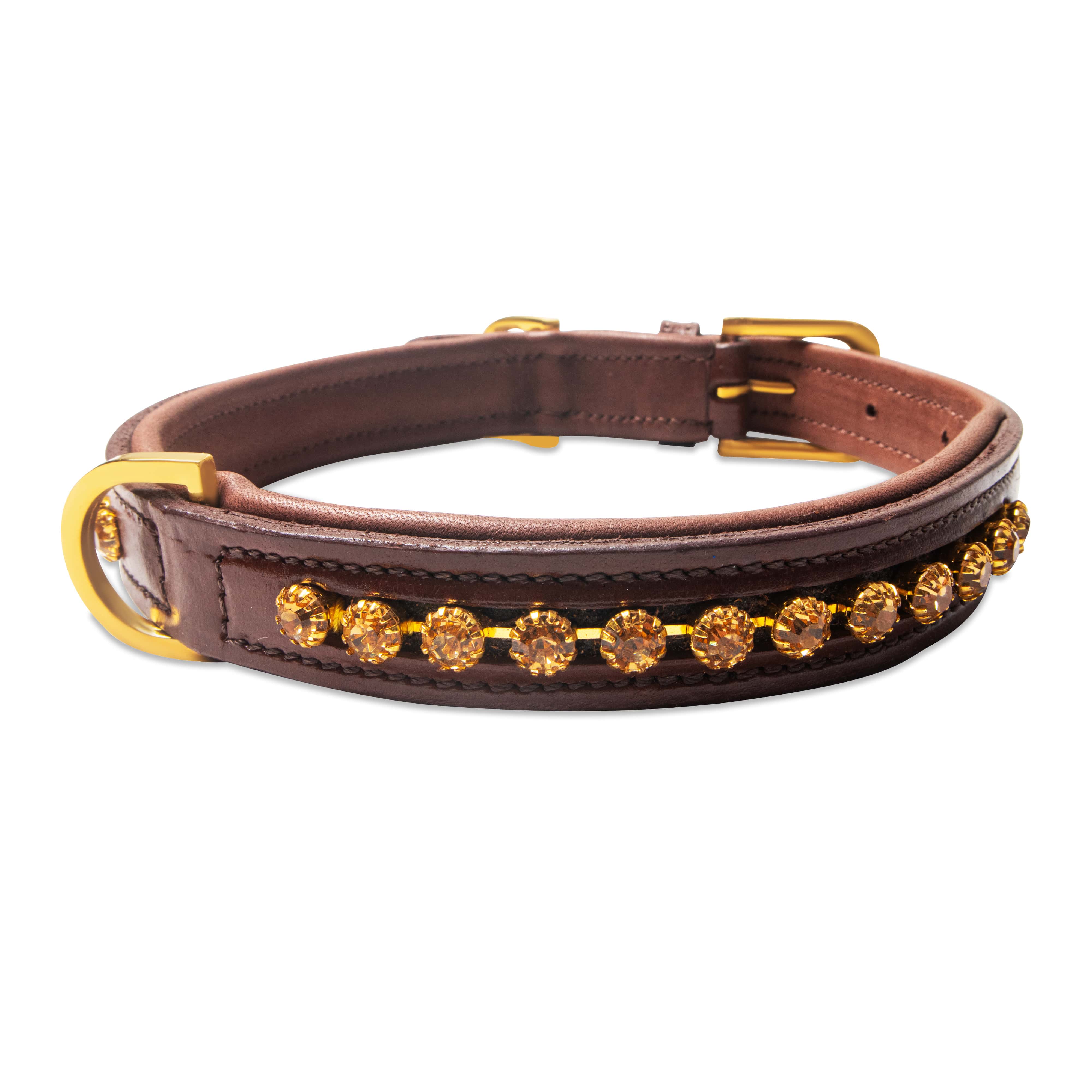
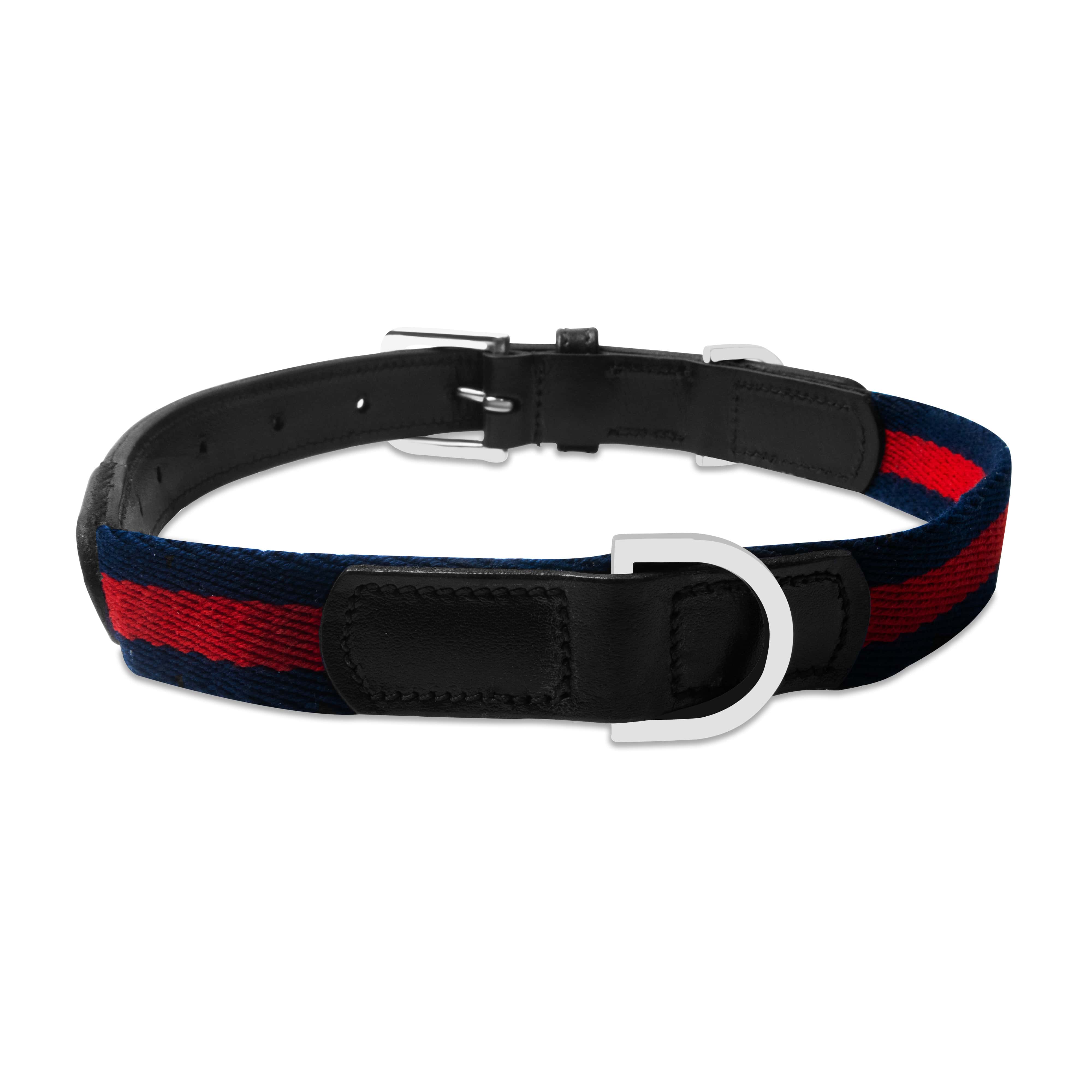
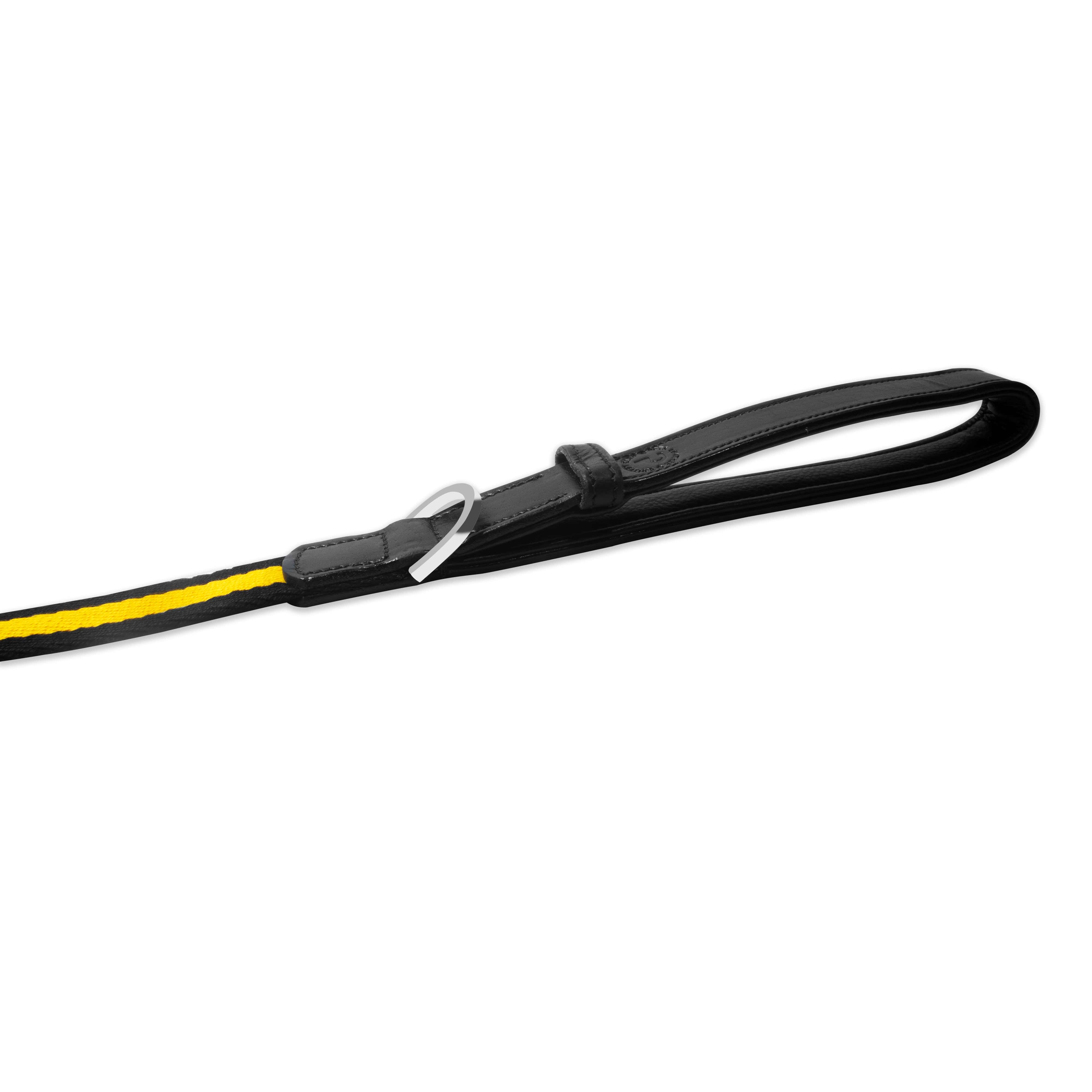


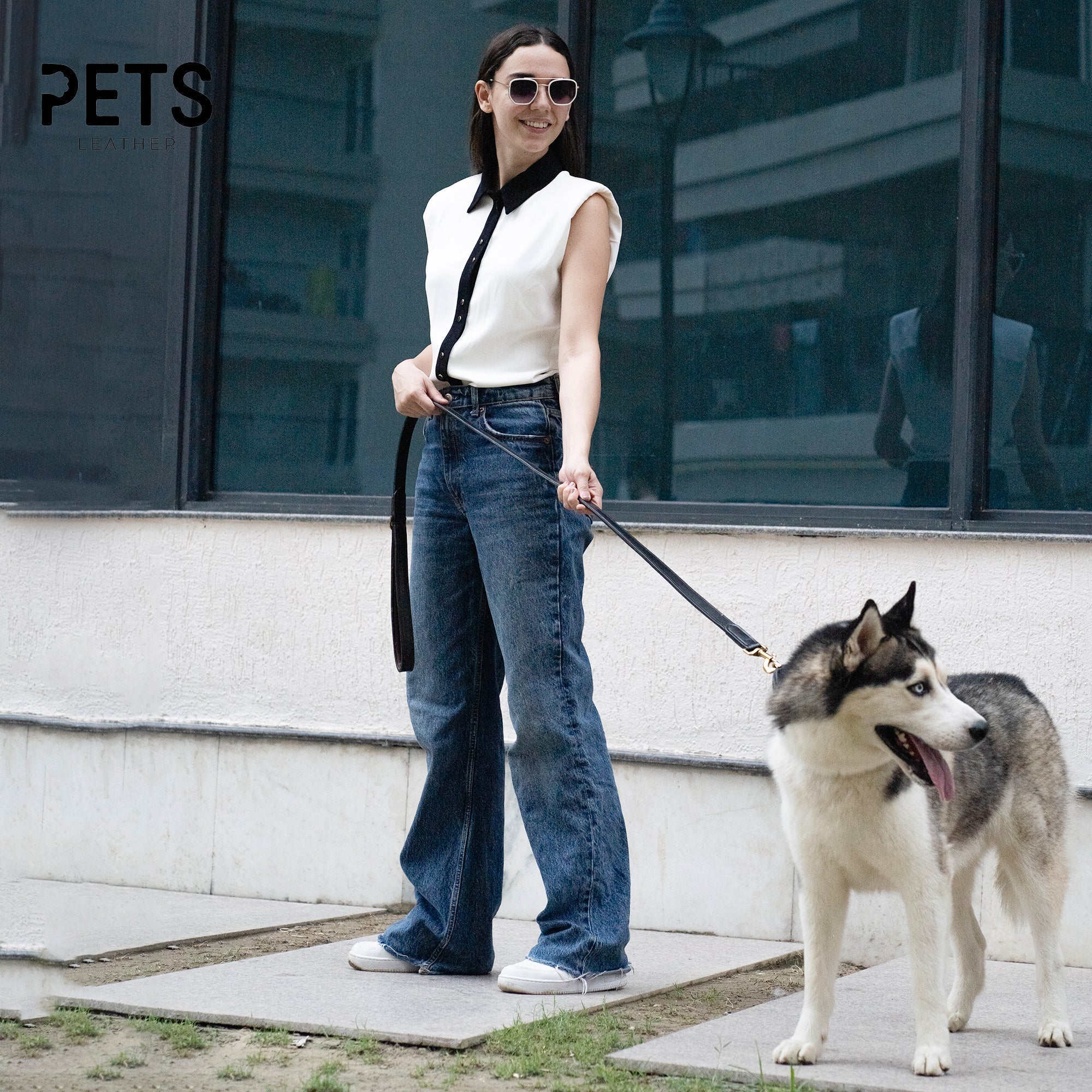
Leather is not plastic. It is skin. That is the single most important thing to remember when you pull that muddy collar off your dog. Unlike a cheap nylon strap that you can toss into the washing machine without a second thought, high-quality dog collars require a different approach. They are organic. They need to breathe, and more importantly, they need to be fed.
Most pet owners make the same mistake of scrubbing leather pet acessories with harsh soaps or drying them on a radiator. This strips the natural oils, turning a supple accessory into a brittle, cracked mess that can snap under pressure. But treat it right, and the opposite happens. Proper care doesn't just clean the high-quality leather; it changes it. Over time, scratches blend into the grain, the colour deepens, and the material moulds perfectly to your dog’s neck. It stops being just a collar and becomes a must-have.
Before we discuss cleaning, we need to address damage control. The dog doesn't wear out most high-quality leather pet accessories; they are ruined by the owner trying to be helpful. Avoid these 3 habits, and your pet accessories will last a decade.
Never, under any circumstances, throw leather in the wash. It sounds obvious, but many people treat it like a nylon leash. The spinning drum beats the heavy hardware against the metal, chipping the plating. Worse, full saturation causes the leather fibres to swell. When they eventually dry, they shrink back unevenly, leaving you with a warped, stiff collar that feels like cardboard.
If your dog gets soaked in the rain, your instinct is to dry the collar fast. You might put it on a radiator or blast it with a hair dryer. Don't. Leather is skin. Just like your hands crack in dry winter air, leather cracks under direct heat. It cooks the natural oils right out of the material. Once those oils are gone, the flexibility goes with them, and the leather becomes brittle.
Dish soap is designed to cut grease on pans. That is exactly why you shouldn't use it on leather. Leather relies on natural greases and oils to stay soft. Using strong household detergents strips these essential fats away. Always stick to a pH-neutral cleaner specifically made for leather goods.
Also Read: - Best Lightweight Leashes & Collars for Dogs in Summer

Pet owners just need 5 minutes and the right technique. Perform this routine once a month, or whenever the collar gets noticeably dirty. Here, your pet accessories are as new as on the first day.
Before you add water, you must remove the dirt. This is the step most people skip. Grab a dry microfiber cloth and wipe down the entire surface. Why? Because dry mud acts like sandpaper. If you start scrubbing with a wet sponge immediately, you are just grinding that grit deeper into the grain, causing micro-scratches that ruin the finish.
Now, take a fresh cloth and dampen it with warm water. "Damp" is the keyword here; it should not be dripping. Rub the cloth against a tin of saddle soap or a specific pH-neutral leather cleaner until you get a light foam. Gently massage the collar in small circles. Focus on the areas where sweat accumulates, usually on the inside lining. If the lather turns dirty, rinse your cloth and repeat. But never dunk the collar in a bowl of water.
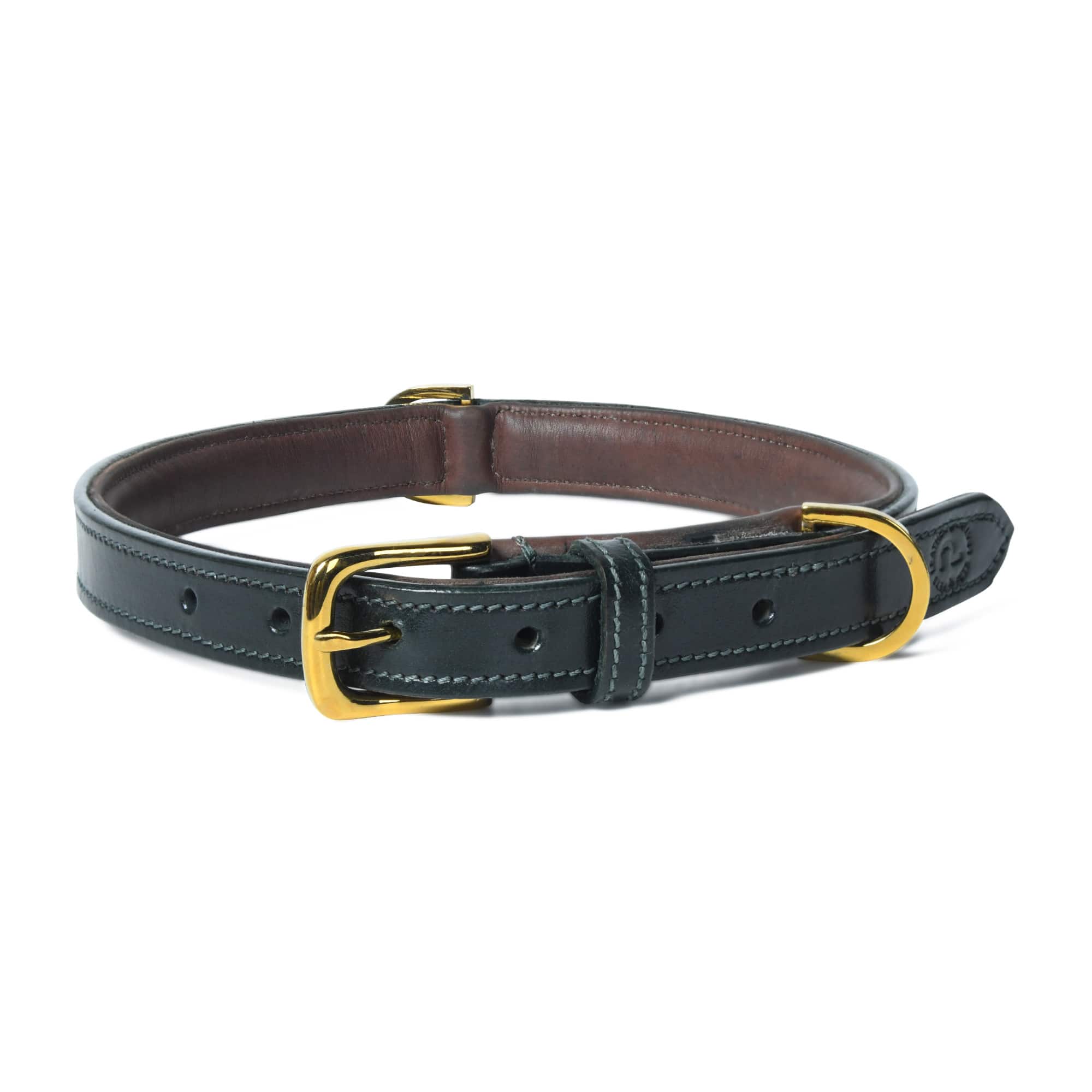
Don't ignore the buckle and D-ring. Metal hardware, especially solid brass, reacts with the acids in your dog’s skin. Over time, this creates a green gunk (verdigris) that can stain white fur. Use your damp cloth to wipe the metal clean. If the tarnish is stubborn, a mix of lemon juice and baking soda on a Q-tip works wonders, just keep it off the leather.
Once clean, wipe away any excess soap with a fresh, damp cloth. Lay the collar flat on a towel in a cool, dry room. Let it breathe. Do not hang it up by the buckle, as the weight of the wet leather can stretch the holes.
Cleaning gets the dirt off, but conditioning keeps the life in. Think of it like your own skin after a hot shower. If you don't apply moisturiser, your skin feels tight and dry. Leather is no different. Without replenishment, the fibres dry out, loosen, and eventually crack.
Once the collar is completely dry, grab a quality leather conditioner. Look for natural ingredients like beeswax, carnauba wax, or pure neatsfoot oil. Avoid cheap synthetic sprays that sit on the surface; you want something that penetrates deep into the pores.
Apply a dime-sized amount to a soft cloth and rub it in. You aren't trying to drown the leather; you are feeding it. A high-quality leather dog leash or collar will soak this up. Let it sit for 20 minutes to absorb, then take a clean cloth and buff off the excess. If it feels sticky or tacky, you used too much. Keep buffing until the surface feels smooth and dry to the touch. This step doesn't just soften the leather; it seals it against water and mud for your next walk.
Even with a perfect routine, life happens. Your dog chases a duck into a pond, or you forget the gear in a damp basement. Here is how to fix the mess without ruining the leather.
Sometimes, a collar looks clean but smells terrible. This is usually bacteria trapped deep in the fibres. Soap won't fix this; it just masks it. To kill the odour, you need to neutralise it. Place the completely dry collar in a sealed Ziploc bag with an open box of baking soda. Leave it for 24 hours. The baking soda absorbs the moisture and the smell, pulling the funk right out of the leather without using harsh chemicals.
If your dog decides to go for an unplanned swim, don't panic. The damage isn't done by the water; it is done by how you dry it. Pat the collar down with a towel to remove surface water. Then, lay it flat. This is the critical part: while it is still damp, gently massage and reshape it. Leather has "memory." If you let it dry in a twisted heap, it will stay twisted forever.
Found an old leash covered in white fuzz? That is mildew. Don't toss it yet. Mix one part white vinegar with one part water. Dip a cloth in the solution and wipe the spores away. Vinegar is acidic enough to kill the mould roots but mild enough to be safe on the finish. Once it dries, condition it immediately, as vinegar can be drying.
You just don't buy leather Pet accessories because they look stylish. You buy them because they last a decade if maintained properly. But that durability isn't guaranteed; it is maintained. By spending 5 minutes a month with a rag and some oil, you aren't just cleaning a piece of gear. You are preserving a story. Every scratch from a bramble, every dark spot from the rain, they all become part of the patina. Treat your high-quality pet accessories with respect, and they will keep your dog safe for a lifetime.