Cart
0
You may also like
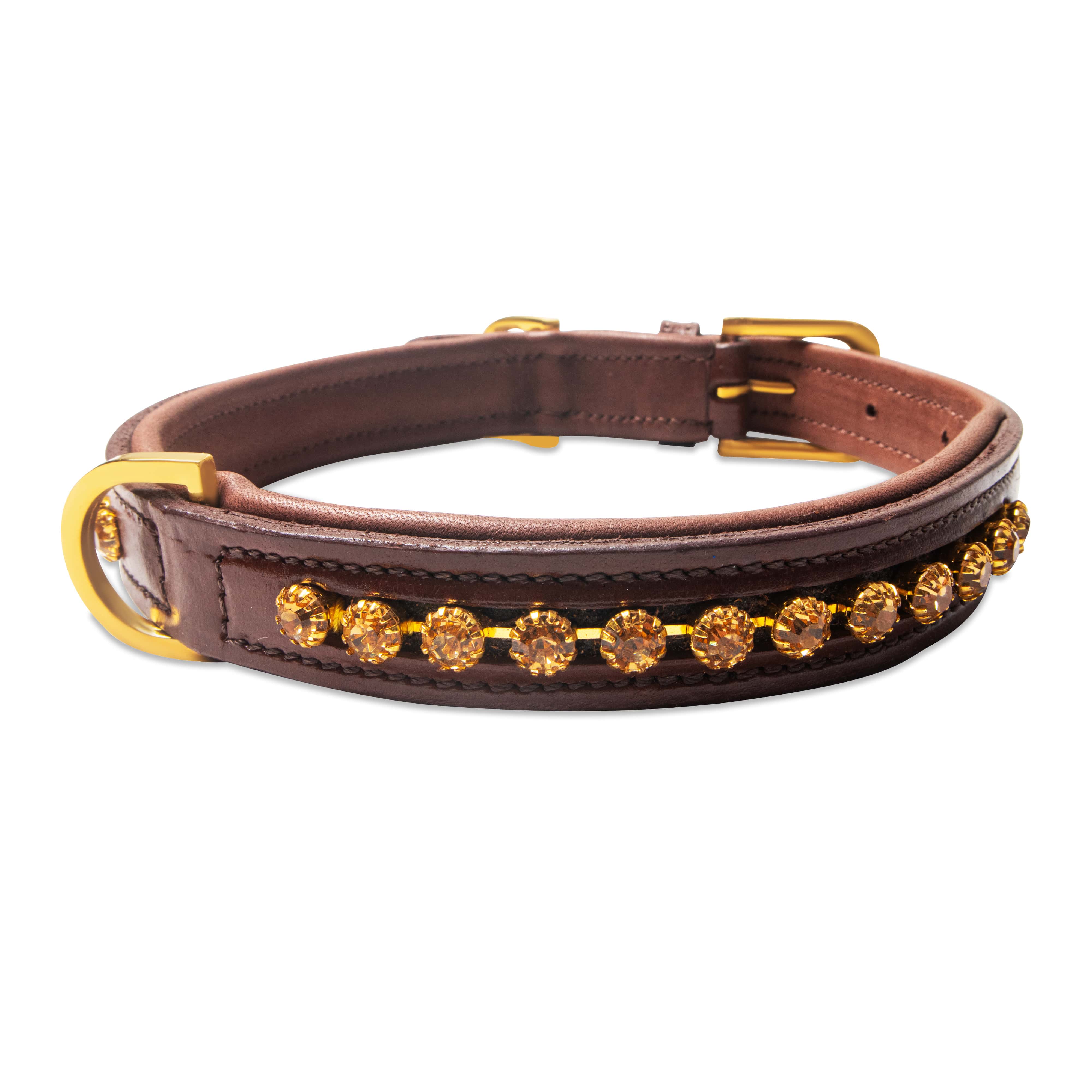
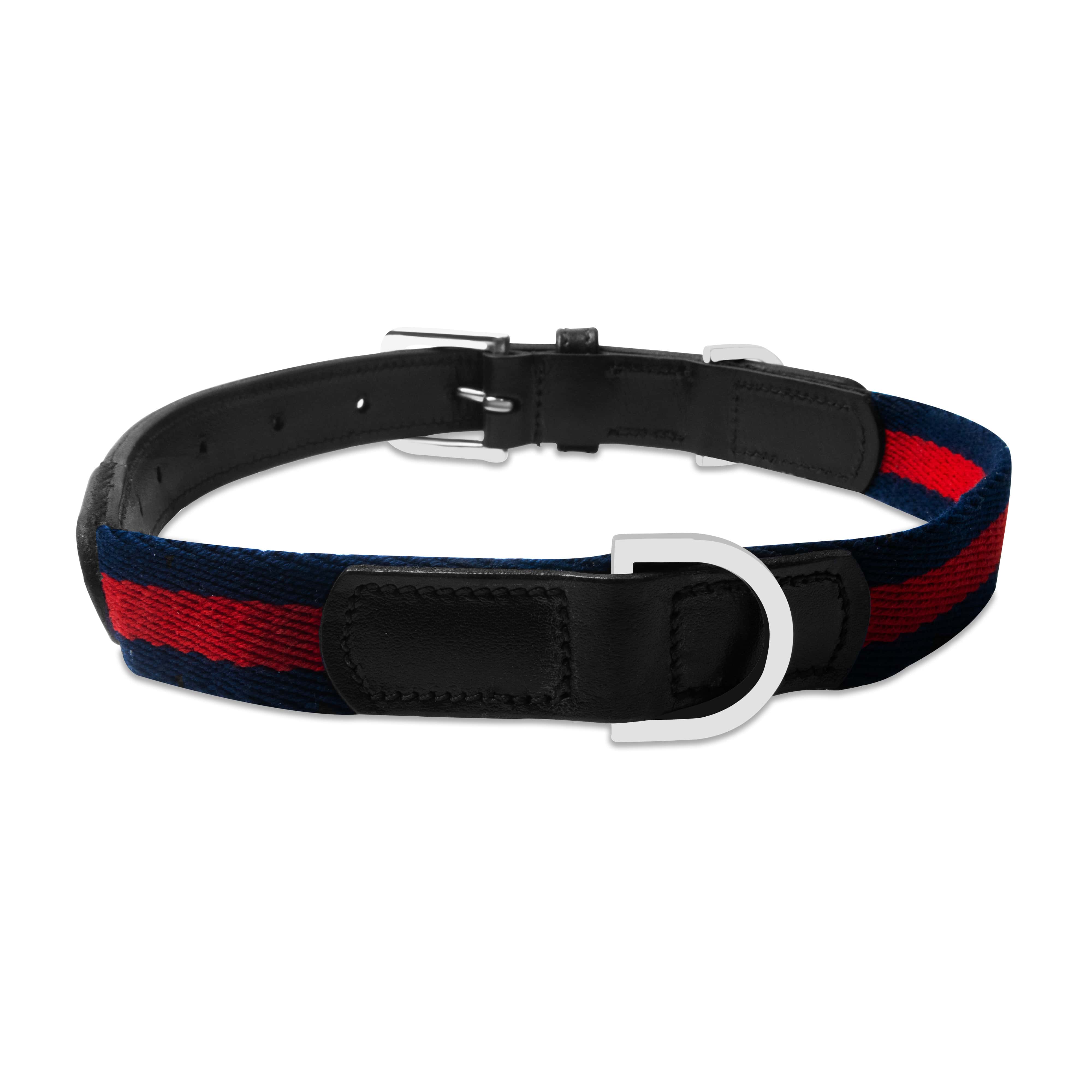
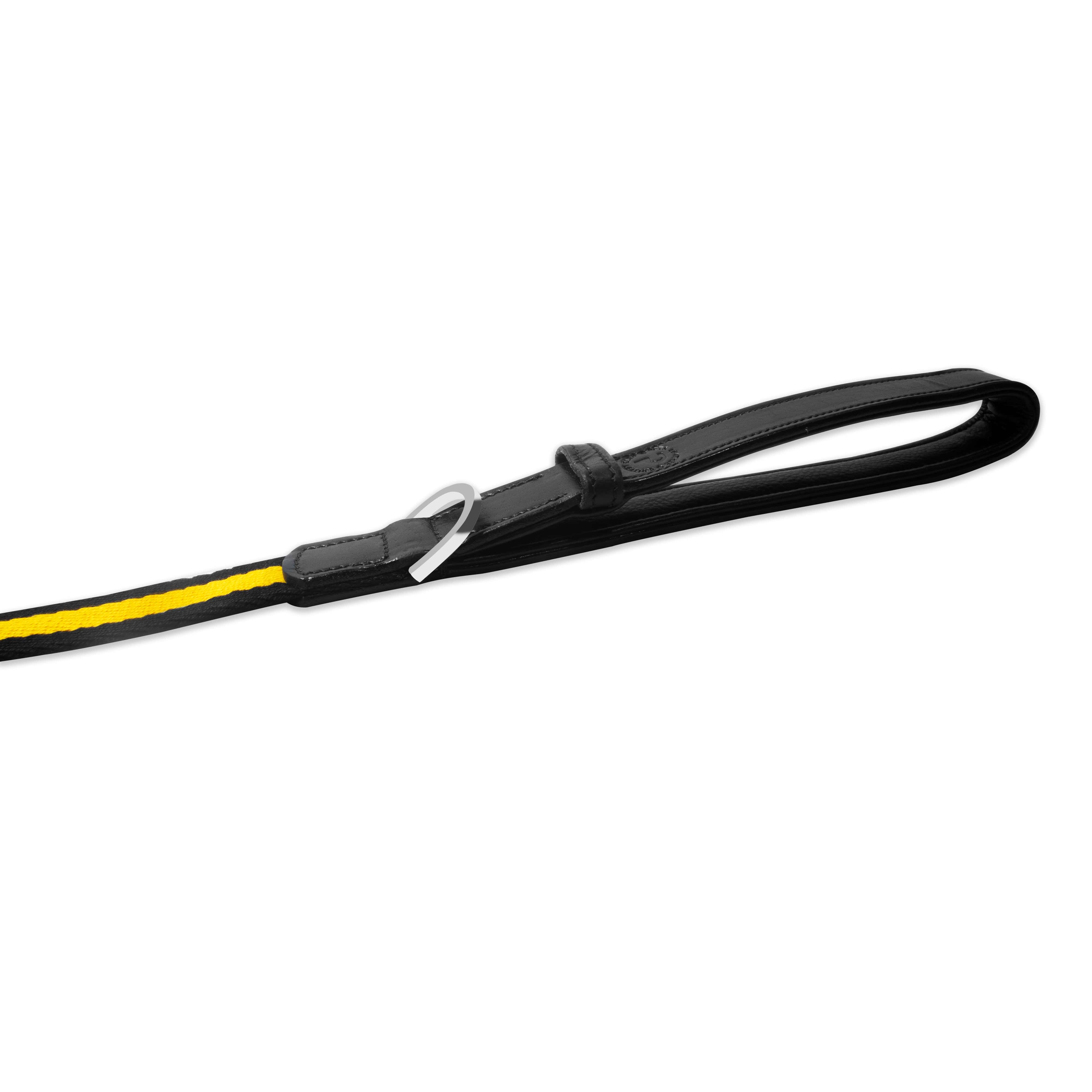


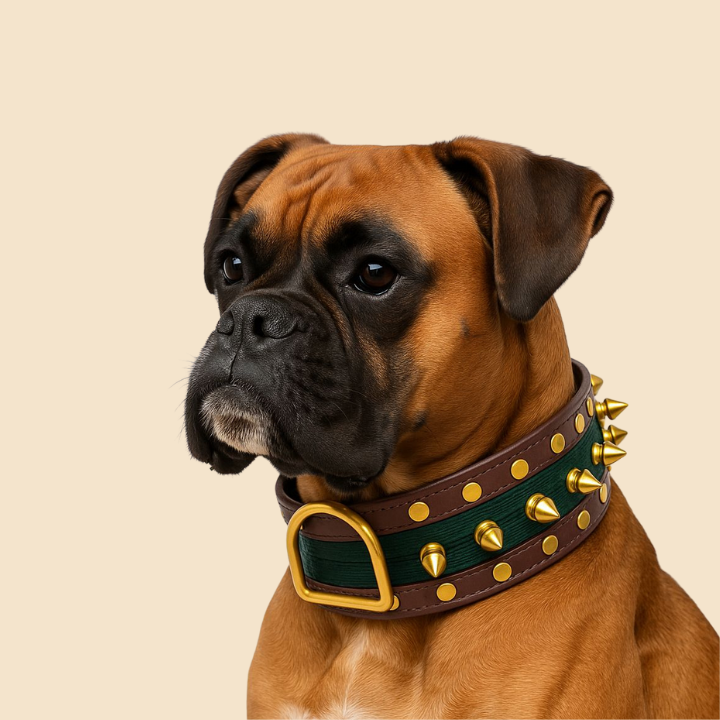
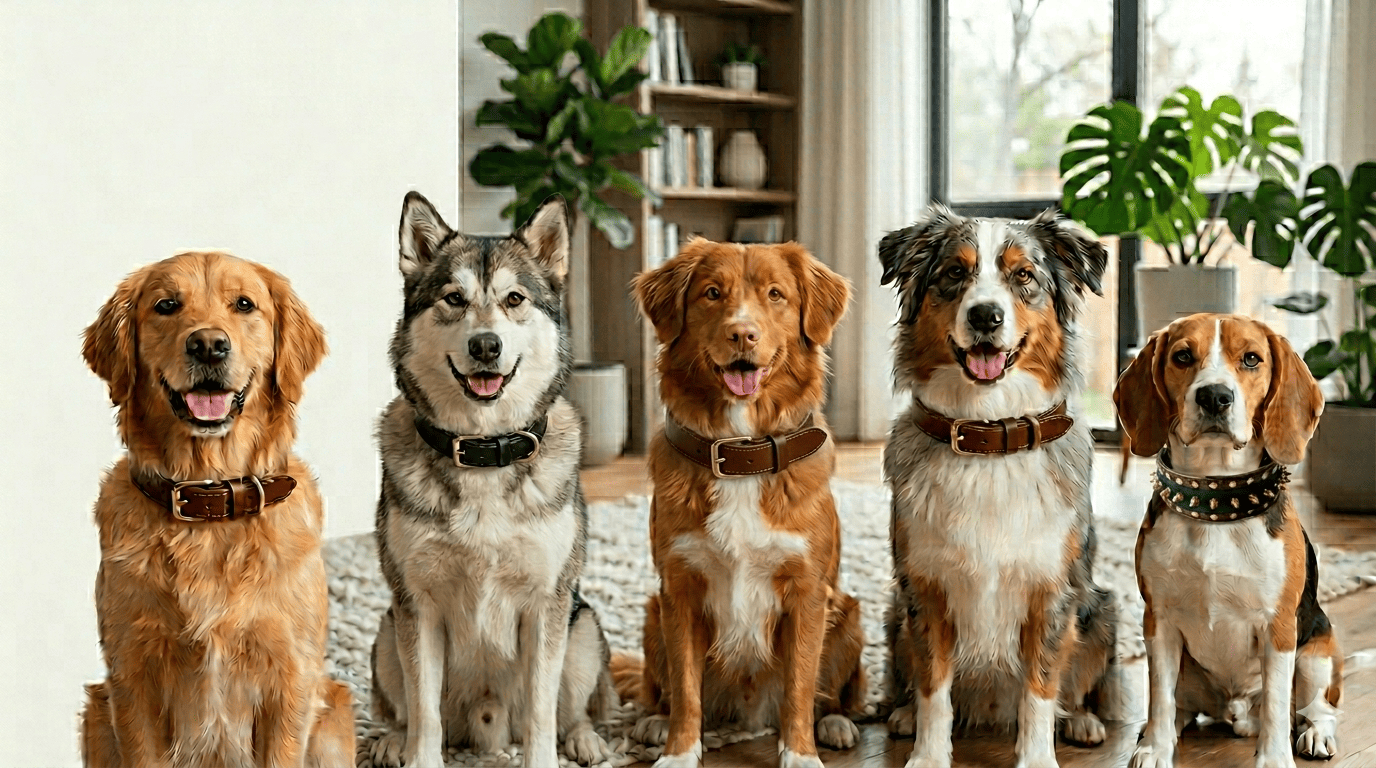
The door opens. The tail wags. It’s the best part of their day.
For your dog, a walk isn't just a bathroom break. It’s a "sniffari." It is their chance to read the neighbourhood news, stretch their legs, and bond with you. But for the human holding the leash, it can sometimes feel like a logistical nightmare. You are juggling poop bags, keys, a phone, and a dog that just spotted a squirrel.
The difference between a chaotic drag down the street and a peaceful stroll often comes down to your gear. You don't need a backpack full of gadgets. You just need the right tools.
Here is the breakdown of the essential items that turn a daily chore into a genuine walking experience.

Most pet stores will try to sell you neon vests and flashing lights. While visibility is important, the true essentials are about mechanics and comfort. When we look at the critical accessories of dogs, we focus on items that improve the physical connection between you and your pet.
Your dog wears this 24/7. It shouldn't itch.
Many owners opt for nylon because it’s cheap. The problem? Nylon is a synthetic weave that traps dirt, oil, and bacteria against the skin. Over time, it gets smelly and can cause "hot spots" or chafing on your dog’s neck.
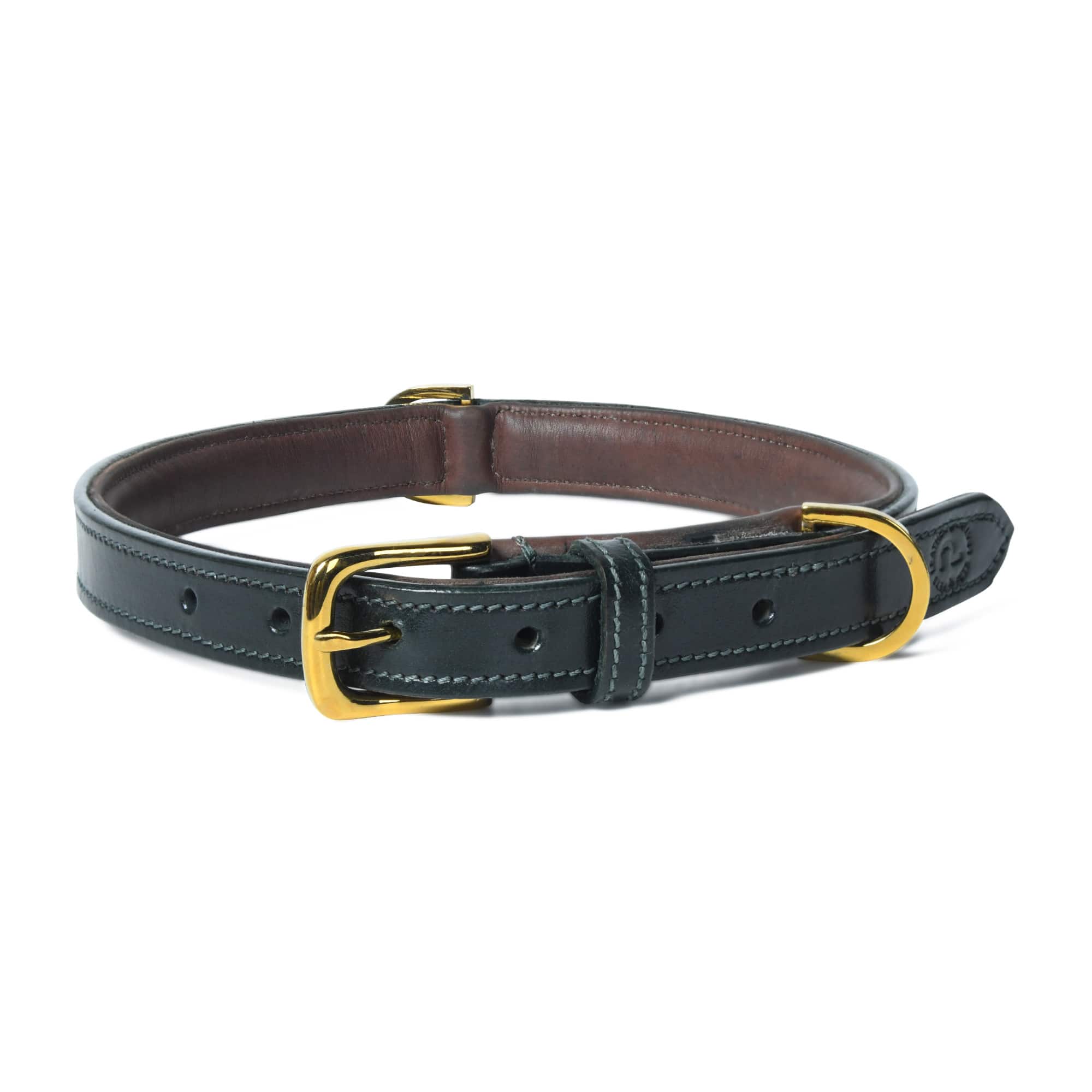
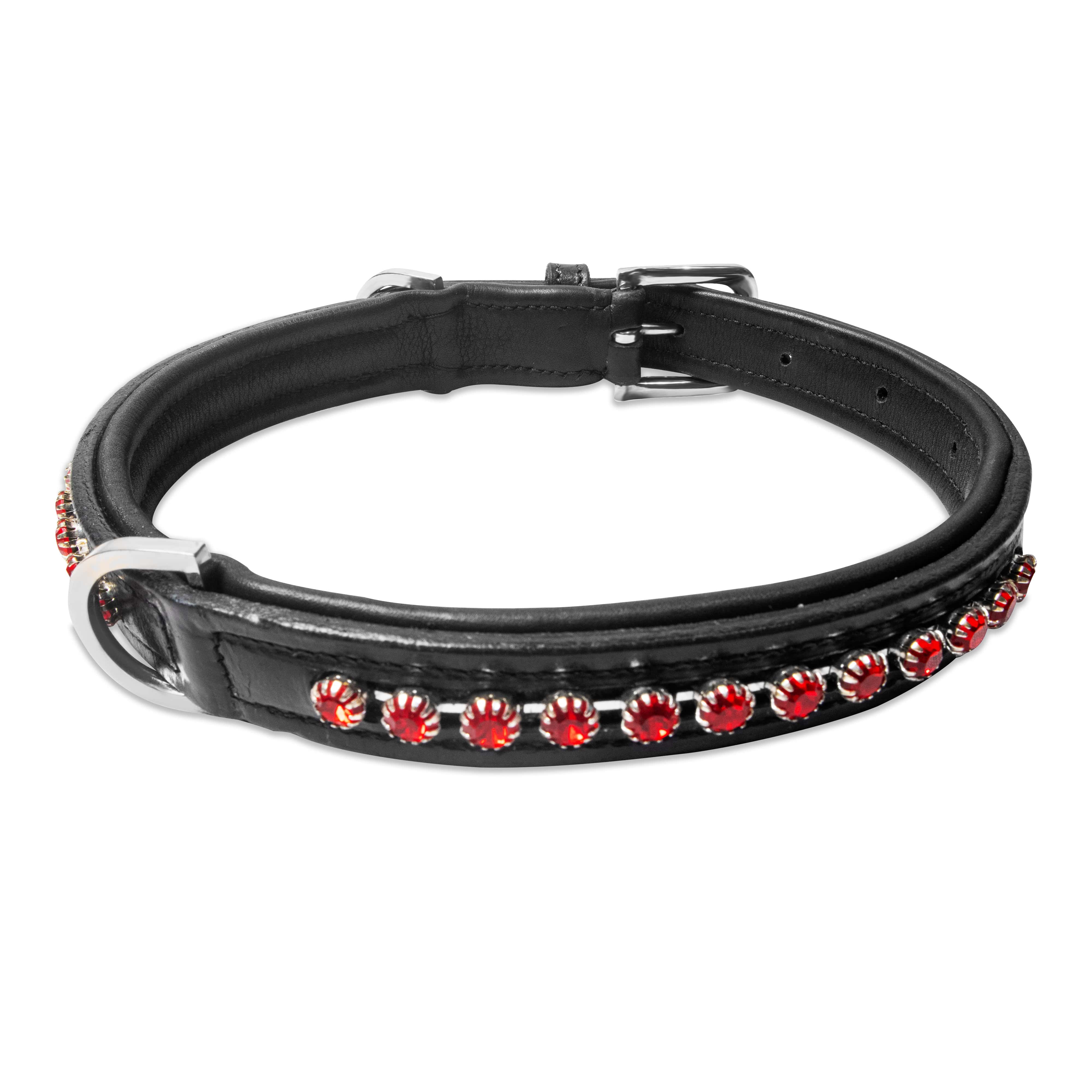
This is why experienced owners eventually upgrade to luxury leather collars for dogs. Leather is organic. It breathes. Instead of fraying and becoming rough, high-quality leather absorbs the natural oils from your dog’s coat and softens. It moulds to the shape of their neck, becoming a custom fit that you simply can't get from plastic. If you want a collar that lasts a decade rather than a summer, leather is the only serious choice.
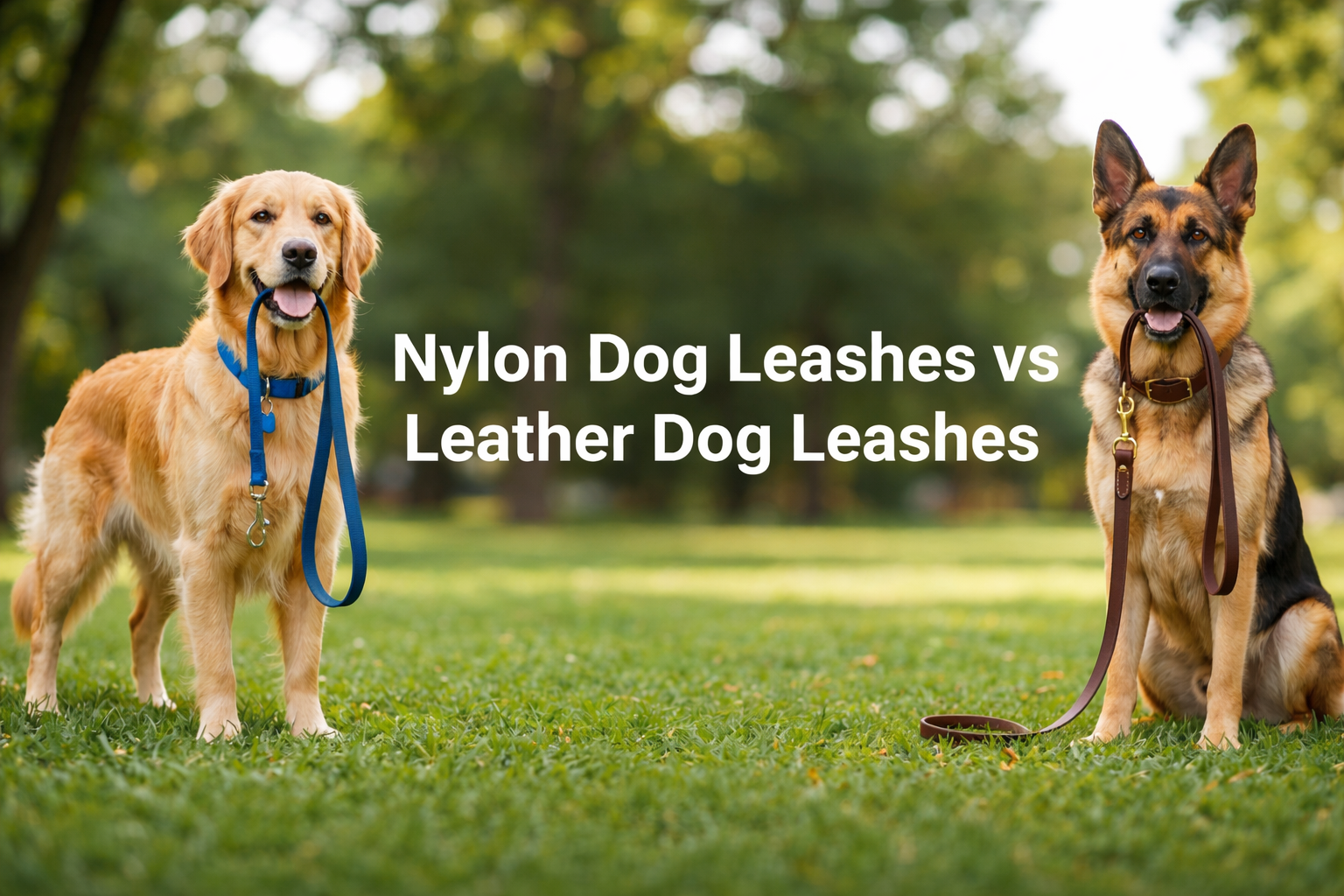
Have you ever had a nylon leash rip through your hand when your dog lunged? That’s "leash burn," and it hurts.
The leash is your steering wheel. It needs to offer grip, not friction. Leather leashes for dogs provide a superior tactile experience. When dry, they are supple. When wet, they remain tacky and grippy, unlike nylon which becomes slippery.
We recommend a standard 4-to-6-foot lead. This length gives your dog enough room to explore the grass but keeps them close enough for you to control them at a busy intersection. Plus, there is an aesthetic bonus: a leather leash develops a rich patina over years of use, telling the story of every walk you have taken together.
While a collar is perfect for ID and daily wear, a harness is often better for specific scenarios. If you own a breed prone to tracheal collapse (like a Pug) or a powerful puller (like a Husky), a harness distributes the pressure across the chest rather than the throat.
Think of it as the "hiking boot" to the collar’s "sneaker." It’s one of those accessories of dogs that serves a specific, heavy-duty purpose when you plan to go off-road or need extra security.
Also Read: - Leather Pet Accessories: A Guide to Luxury Dog Accessories for Modern Pets
Silence is golden. The constant jingle-jangle of metal tags can actually be stressful for dogs with sensitive hearing.
However, identification is non-negotiable. Microchips are essential, but they only work if someone takes your dog to a vet. A physical tag gets your dog home immediately. Look for "slide-on" tags that sit flat against the collar. They don't dangle, they don't make noise, and they don't get caught in underbrush during a hike.
Dogs can't sweat. They cool down by panting, which causes them to lose water rapidly.
If you are walking for more than 30 minutes, especially in the summer heat, water is mandatory. You don't need to carry a heavy bottle; a simple collapsible silicone bowl clips onto your leash or belt loop. It lays flat when not in use and pops open instantly. It’s a small addition that prevents dangerous dehydration.
Walking your dog should be the most relaxing part of your day. It shouldn't be a battle with your gear.
By investing in quality basics, like luxury leather collars for dogs that don't chafe and leather leashes for dogs that don't burn your hands, you remove the friction from the experience. You are left with the good stuff: fresh air, exercise, and a happy dog.
Keep it simple. Buy quality. Walk often.
What essential gear do I need for hiking with my dog?
Beyond the standard leash and collar, you need a first-aid kit (specifically for paw cuts), a dedicated water supply (at least 1 litre for the dog), and waste bags. If the terrain is rocky, consider dog booties to protect their pads from shale or hot surfaces.
How can I ensure my dog stays hydrated during outdoor activities?
Offer water every 30 minutes, even if they don't ask for it. Lift their lips and check their gums; they should be pink and moist. If they are sticky or pale, your dog is already dehydrated.
What types of treats are best for rewarding my dog during hikes?
Skip the dry biscuits; they make your dog thirsty. Opt for "high-value," moist treats like freeze-dried liver or small cubes of cheese. These are smelly enough to keep their attention in a distracting forest environment but easy to swallow quickly.
How can I protect my dog from ticks and other pests while hiking?
Prevention is the only cure. Use a vet-approved tick prevention treatment (chewable or topical) year-round. After the hike, perform a "tail-to-nose" check, paying close attention to warm spots like the ears, armpits, and groin area where ticks like to hide.
What should I do if my dog gets injured or lost during an outdoor adventure?
First, stay calm. If they are lost, place an item of your clothing at the point where you last saw them; dogs often return to a familiar scent. If they are injured, use your first-aid kit to stabilize the wound. If they cannot walk, you may need to carry them out using a makeshift sling from a jacket or towel.