Cart
0
You may also like


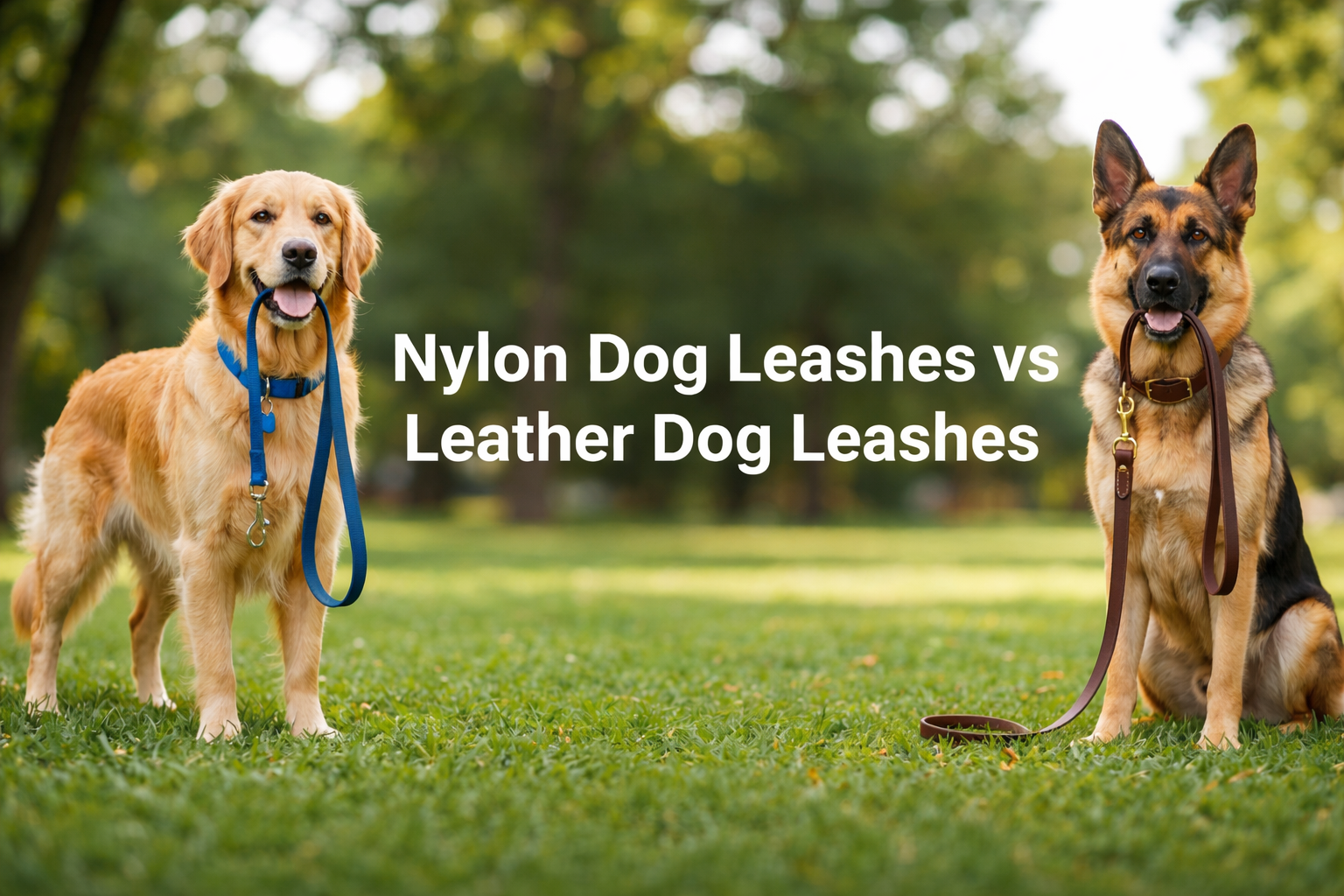
Walk into any big-box store, and you are overwhelmed with a wall of neon nylon, retractable plastic handles, and bungee cords. To the average owner, these look like fun options. To a professional trainer, they look like liabilities.
A leash is not just a tether to keep your dog from running into traffic. When we talk about essential dog accessories, the leash is the only one that physically connects you to your animal. At PetsLeather, we believe that if you want to walk like a pro, you need to stop buying "cute" and start buying "capable."
Here is the no-nonsense guide to selecting the right gear, from the perspective of those who work dogs for a living.
If a 40kg Rottweiler decides to lunge, the material in your hand determines whether you regain control or end up with friction burns.
Trainers almost universally reject standard flat nylon. Why? It’s slippery when dry, cuts like a knife when wet, and has zero "give."
Professional pet accessories are built from materials that offer grip and shock absorption.
Full-Grain Leather
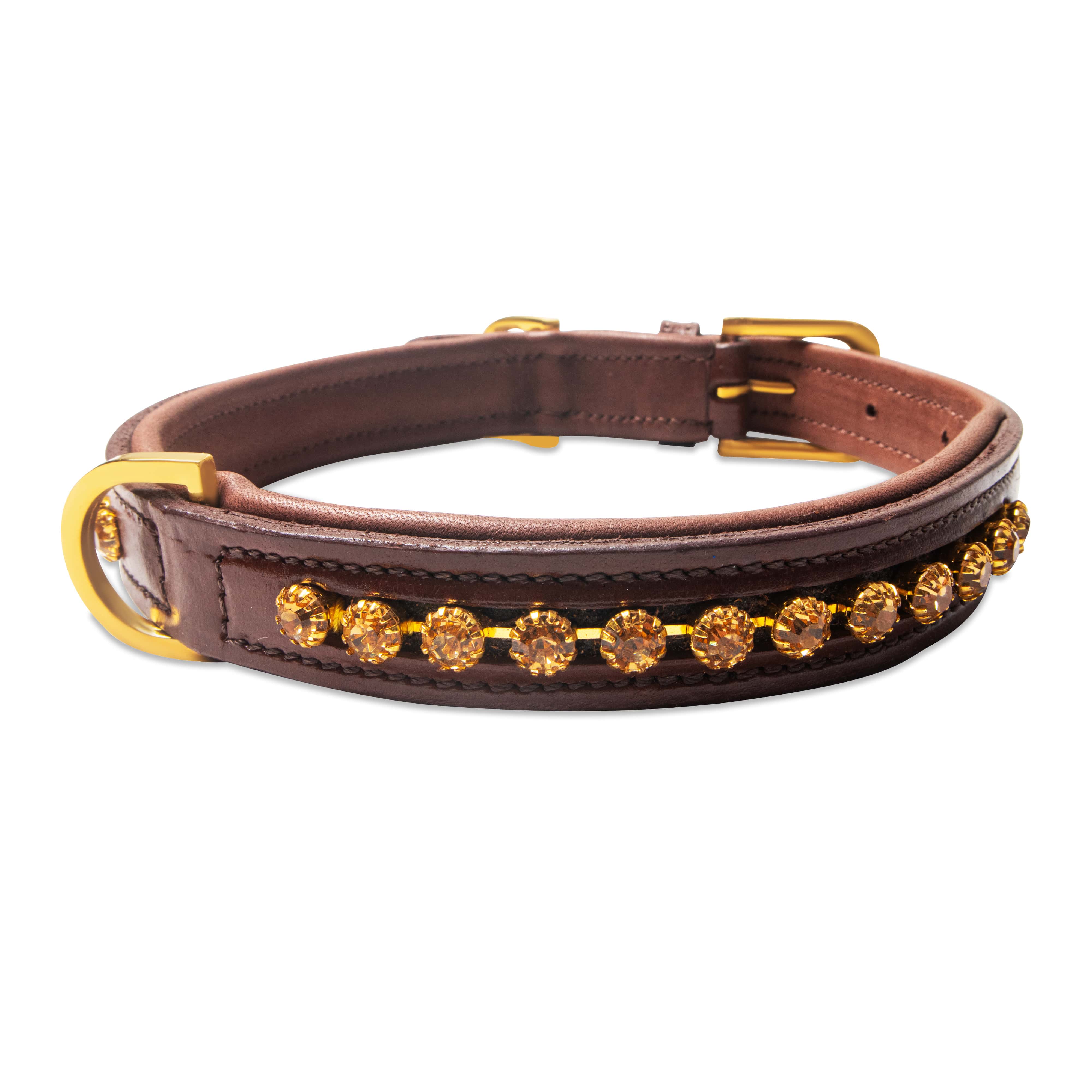
The gold standard is used in our Classic Collection. High-quality buffalo or cowhide has natural elasticity. It absorbs the shock of a sudden pull rather than transferring it directly to your shoulder. More importantly, it becomes "tacky" (grippy) as it absorbs oils from your hand, giving you a secure hold without the need to wrap it around your wrist.
Hybrid (HideStrap)
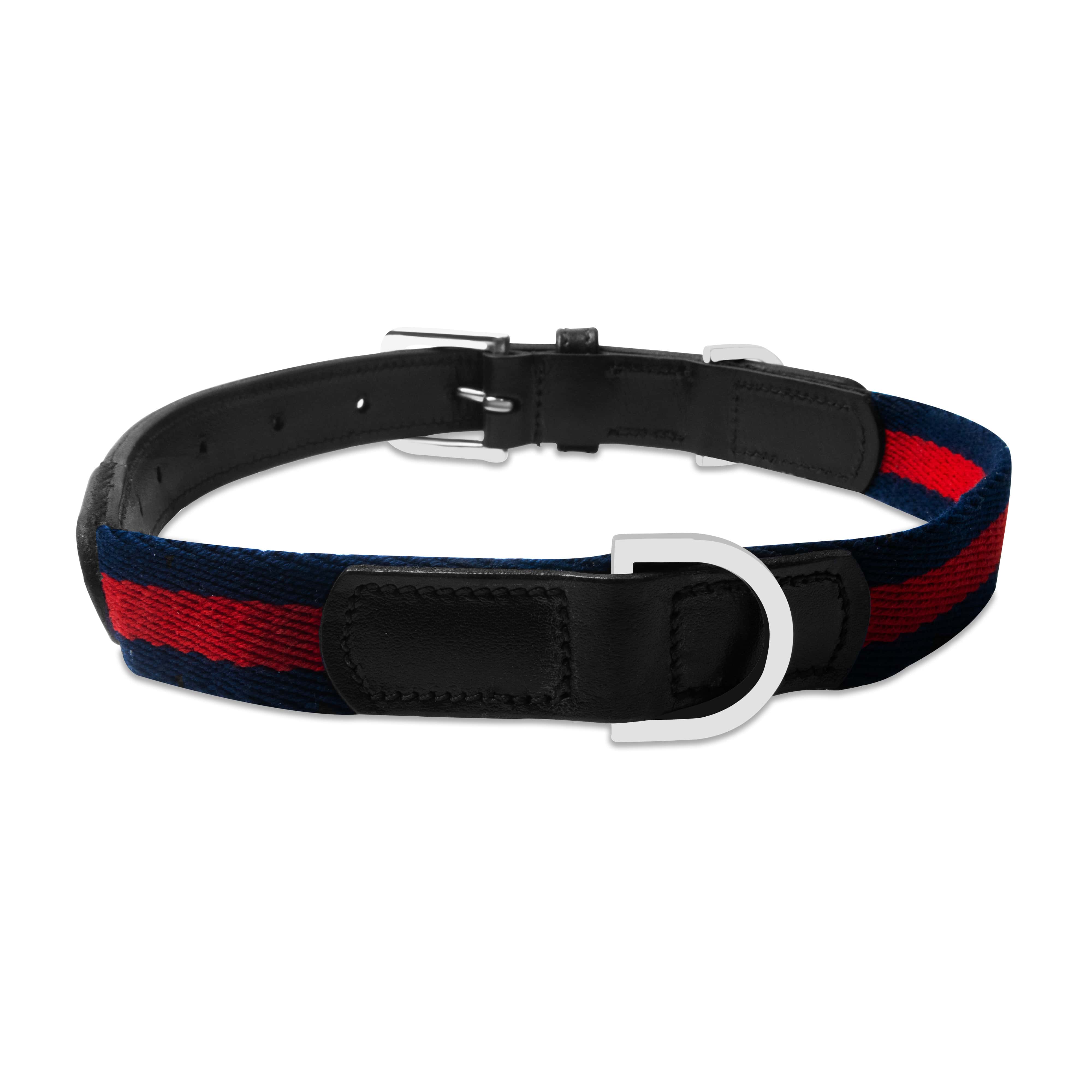
For wet work or tracking, hybrid materials (leather + webbing) offer the tensile strength of synthetics with the handling properties of leather.
Material Comparison
|
Material |
Grip |
Shock Absorption |
Durability |
Remarks |
|
PetsLeather Classic |
Excellent (Tacky) |
High |
10+ Years |
The Trainer’s Choice |
|
Flat Nylon |
Poor (Slippery) |
None |
2-3 Years |
Prone to fraying/burning |
|
Retractable Cord |
Dangerous |
None |
Low |
Avoid at all costs |
|
Hybrid (HideStrap) |
Good |
Medium |
High |
Best for rugged trails |

You wouldn’t use a putter to drive a golf ball. Similarly, you shouldn’t use a long line for a city walk. Different environments demand different accessories for dogs.
This is your daily driver, and it’s the core of our Classic Leather Leash range.
A 6-foot lead provides enough slack for the dog to sniff and explore.
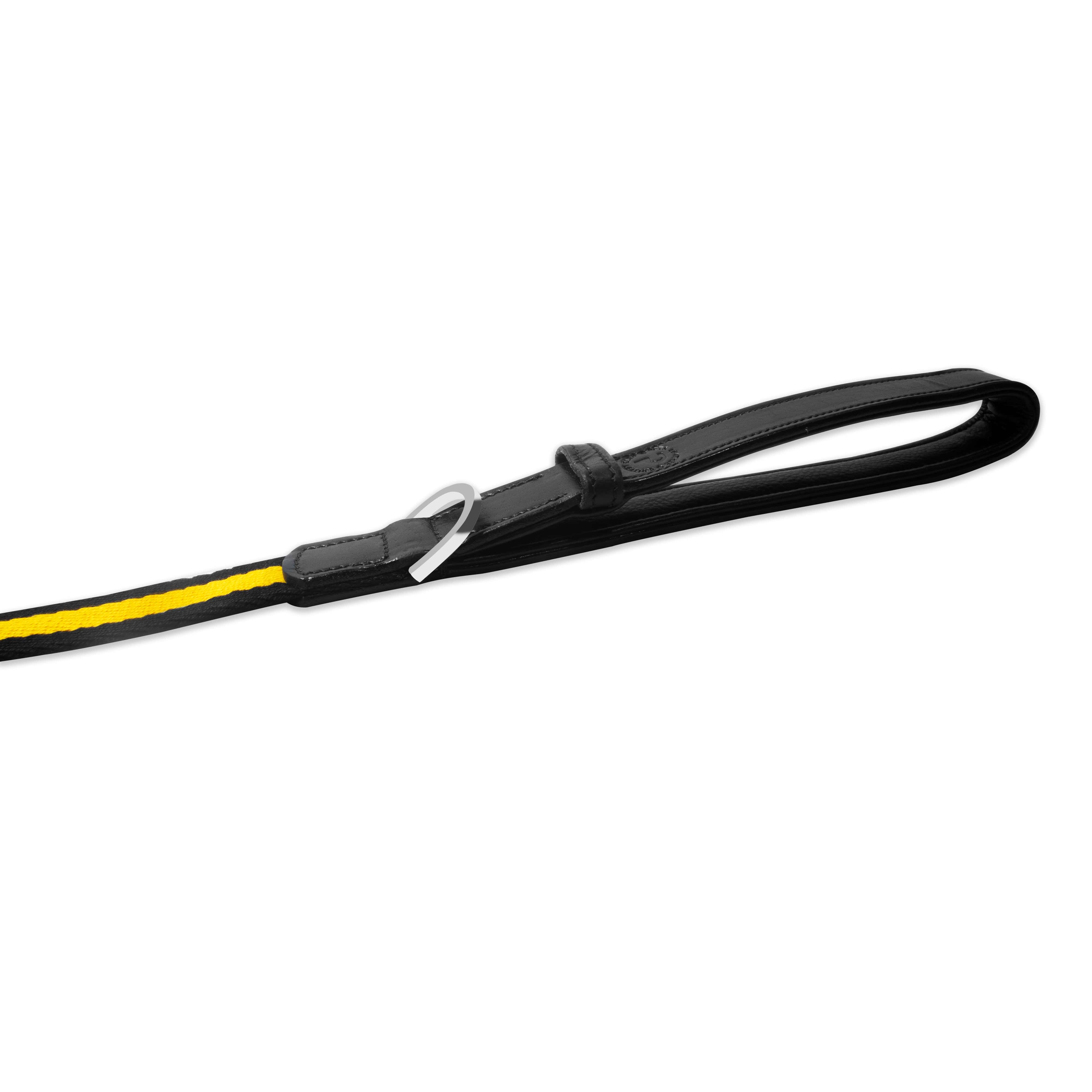
Trainer Tip: Look for a lead with a floating ring on the handle. This allows you to clip the leash over your shoulder when the dog is off-lead, keeping your hands free.
If you live in a dense urban centre, think Toronto or London, a 6-foot lead is too much rope to manage.
A Traffic Lead is essentially a short handle (12-18 inches) that clips directly to the collar. It keeps the dog in a strict position, perfect for crowded sidewalks, elevators, or vet clinics. It removes the leverage the dog has to pull and gives you absolute control.
This is for training.
A long line is used to teach recall safely. It gives the dog the illusion of freedom while you maintain a safety net. It is arguably one of the most underutilised accessories of dogs for teaching reliability off-leash.
Also Read: - How to Soften a Leather Dog Collar
A leash is only as strong as its weakest link, which is almost always the metal clip.
Cheap dog accessories use "pot metal" or nickel-plated steel that rusts and snaps under pressure.
The Hardware Test:
Solid Brass:- Look for gold-toned solid brass. It doesn't freeze in Canadian winters, it doesn't rust in the rain, and it has a "heavy" feel.
The Bolt Snap vs. Trigger Snap:- Most standard leashes use a "Bolt Snap" (the little spring-loaded thumb slide). These are fine for average dogs. However, working dog handlers prefer "Trigger Snaps" (scissor style). They are less likely to jam with dirt or accidentally open if the dog shakes their head violently.
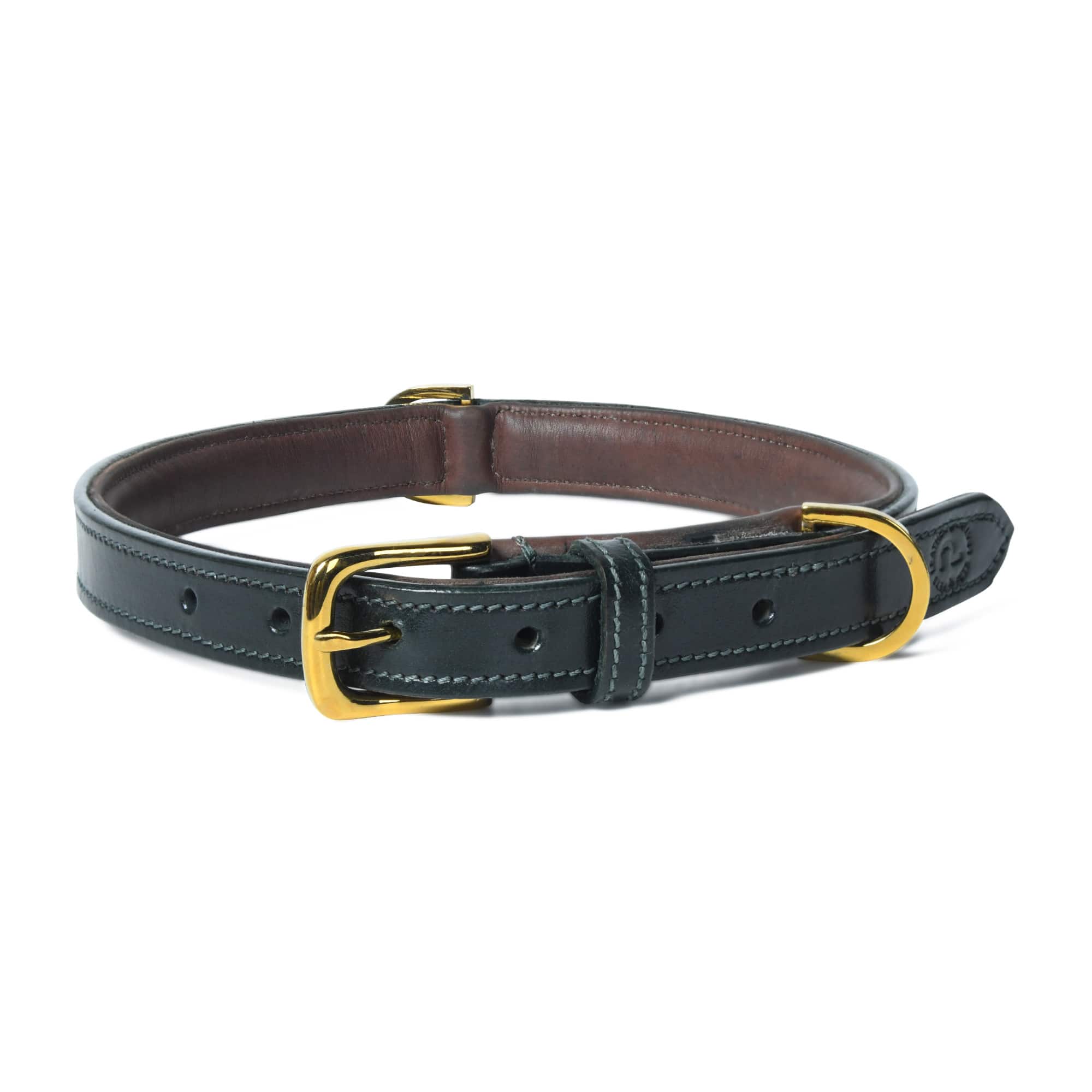
The Handle Test:- Inspect the edges. If the leather has a raw, square edge, it will cut into your skin. Every PetsLeather product features hand-burnished, rounded edges. This small detail prevents blisters during long training sessions.
Leather is organic skin. If you treat it like plastic, it will crack.
The Wipe Down
After a muddy walk, wipe the lead with a damp cloth. Never, never, dry it on a radiator. Heat cooks the fibres and makes them brittle.
The Condition
Once a season, rub a little leather balsam into the lead. It keeps the fibres flexible and waterproof. A well-maintained leather lead doesn't wear out; it wears in.
Training a dog is hard enough. Don't make it harder by fighting with your equipment. Whether you are training for competition or just trying to survive the morning walk without a dislocated shoulder, the rules are the same: buy quality materials, choose the right length for the environment, and trust in gear that is built to last.
At PetsLeather, we build that trust into every stitch. Your dog deserves a clear signal. You deserve a comfortable walk.