Cart
0
You may also like


When winter winds arrive and the temperature drops, you might find yourself reaching for an extra sweater before heading outside. But have you paused to think about whether your dog needs the same consideration?
While it may sound like a question with a simple answer, it is not. Not all dogs are able to handle cold temperatures; some are able to withstand extreme cold temperatures. Every dog has a coat of fur, but there are some dog breeds that were designed to be able to withstand extreme cold temperatures. Other dog breeds, particularly smaller dogs and those with thin fur, will have a very difficult time when the temperature drops.
The right winter gear for dogs will not only keep your dog comfortable during walks. Exposure to the cold can be dangerous- hypothermia, frostbite, and joint stiffness- which can be seen particularly in older dogs. Knowing about your own dog’s needs with best care practices, with dog accessories like winter coats and shoes, will help you make good decisions in keeping your little buddy warm, safe and healthy through the winter months.
This guide has been specially written for pet owners who actually need to know about winter coats for dogs, so you can avoid making any kind of unnecessary and wrong decision.
The answer to whether your dog needs a winter coat or not depends on several interconnected reasons, and honestly, there's no common answer for that. Temperature is just the starting point.
Most vets agree that when the thermometer dips below 45°F, many dogs start feeling genuinely uncomfortable outside. But a Husky lounging in 20-degree weather might be perfectly fine, while a Chihuahua shivers in 50-degree weather. The difference comes down to breed history, body composition, coat type, and individual health.
Always pay attention to your dog's actual behaviour. If your pup is shivering, reluctant to go outside for a walk, lifting their paws frequently, or constantly seeking warm spots indoors, those are just very clear signals that your dog is feeling uncomfortable and dont want to go outside.
Age and health of your pet are also important. Puppies need protection because they can’t regulate body temperature effectively. Senior dogs often have less body fat and stiffer joints that ache in cold weather. If your dog has existing health conditions, arthritis, heart disease, or hormonal issues, cold exposure can genuinely complicate their well-being. Even within the same breed, individual dogs vary. A lean, athletic Greyhound living in Minnesota faces different challenges than a stocky mixed-breed in a milder climate. The key is observing your pet dog and adjusting based on what you see. Some dogs are just cold-sensitive. That's not weakness, it's individual biology.
Related Read: Best Places To Take Photos Of Your Dog In The Rocky Mountains
Certain dog breeds are practically built for cold weather, while others simply aren't.
Thick-coated breeds like Siberian Huskies, Alaskan Malamutes, and Saint Bernards are evolved specifically for arctic conditions. These dogs trap warm air close to their skin and often overheat in coats during normal activity. They're generally fine in cold weather without additional layers, though extreme conditions or very old age might change that calculation.
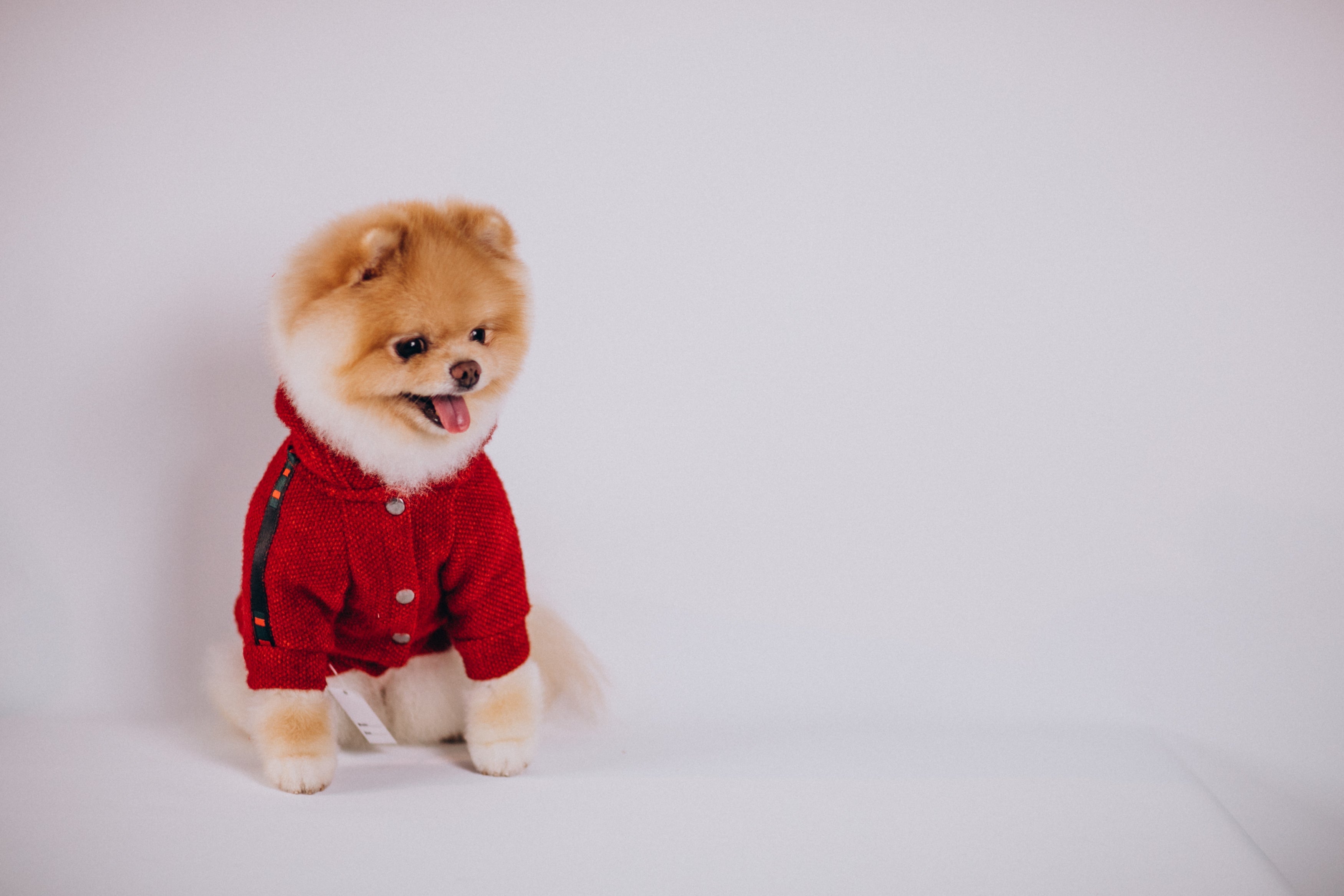
Small and toy breeds. Chihuahuas, Pomeranians, and similar small dogs have minimal body mass, which means they lose heat rapidly. Their surface-area-to-body-weight ratio works against them in cold temperatures. These breeds almost always benefit from winter coats when temperatures drop.
Short-coated breeds present a middle ground. Dogs like Boxers, Weimaraners, and Greyhounds have thin coats offering little insulation. Even though they might be large, their coat type leaves them vulnerable to cold exposure.
Hairless breeds like Chinese Cresteds and Xoloitzcuintlis need protection year-round in cold climates. They literally lack the fur barrier most dogs take for granted.
Senior dogs and puppies across all breeds deserve consideration. Puppies can't thermoregulate properly, and older dogs lose the metabolic efficiency that once kept them warm.
Bonus Tip - if your dog's breed wasn't developed in frigid climates, or if they're small, thin-coated, or ageing, a winter coat during cold months makes genuine sense.
Also Read: - A Must-Have Dog Leash and Collar

Shopping winter coat for your little friend can feel overwhelming. Through pet stores or by scrolling online. Dog Winter coats come in various styles, each suited to different situations and climates. Knowing the best use cases helps you pick what actually works for your pet.
Lightweight Coats work well for mild cold. Considering the weather in the 40s to low 50s Fahrenheit. Fleece or lighter synthetic materials are commonly used in these, and they provide some wind protection, but not heavy insulation. They work well for dogs that get cold easily, but have not experienced very cold winter conditions.
Insulated puffer Coats represent the heavy-duty option. These use synthetic insulation or down fill that traps air and creates serious warmth. They're what you reach for when winter gets genuinely brutal, freezing rain, deep snow, prolonged outdoor exposure. The trade-off is bulk; they're thicker and less flexible than lightweight alternatives.
A waterproof coat is also a good option if you live somewhere wet or snowy. Water-resistant from the outside and insulation underneath provide your pet a protection and keep them dry, safe and comfortable. Look for those coats that have a water column rating - the higher the number, the better they'll do at keeping water out.
Key features across all types: The coat should fit your pet without restricting their body movement. Make sure to check that your dog can walk, run, and sit comfortably. Reflective strips can be a lifesaver if you're out for a walk and about in the dark, early in the morning or late in the evening.
Don't overthink it. Most dogs do fine with one insulated coat for serious cold and a lightweight layer for milder days.
Figuring out whether your dog needs a winter coat requires an honest observation and understanding of any particular dog's needs. Not every dog requires one coat, but many do, and the investment in quality dog accessories like a proper winter coat pays dividends in comfort and safety for your pet's health.
Temperature matters, but so do breed, age, coat type, and health status. Small dogs, senior dogs, short-coated breeds, and puppies almost always benefit from winter protection. When you look for a winter coat for your dog, always prioritise fit, make sure it provides appropriate insulation as per your weather conditions, and practical features like reflectivity.
Your dog will tell you what they need through their behaviour. Listen to those cues, choose a gear that works for your lifestyle, and enjoy winter together without worry. Your dog will basically let you know what they need; you just need to pay attention to how they're behaving. Listen to them, grab a coat that fits their lifestyle, and you can both enjoy the winter together without any discomfort.